Lanius: Certified Organic
Lanius was established in 1999 by Claudia Lanius in Cologne, Germany, positioning itself as a pioneer of the 'Slow Fashion' movement long before the term entered the mainstream lexicon. Unlike the accelerated production cycles that define the modern garment industry, the brand operates on a deceleration model, releasing only two collections annually. This foundational choice is designed to minimize resource throughput and waste, rejecting the industry's standard of 52 micro-seasons. The brand's philosophy, 'Love Fashion, Think Organic, Be Responsible,' is not merely a slogan but the operational framework for a company that attempts to balance aesthetic appeal with ecological integrity. Under the leadership of Claudia Lanius and her daughter Annabelle Homann, the company has maintained a stable, family-run governance structure, allowing it to prioritize long-term values over the quarterly profit pressures that drive publicly traded fast fashion giants.
The Evolution of Certification Standards
From its inception, Lanius has adopted a 'certificate-first' strategy to procurement, using third-party verification as a shield against the greenwashing that plagues the mid-market sector. The brand has successfully integrated the Global Organic Textile Standard (GOTS) into the core of its supply chain, with 56% of its collection achieving this rigorous certification. This is significant because GOTS is not just a material standard; it tracks the fiber from the farm to the finished garment, ensuring social compliance at the ginning and spinning stages, areas often invisible to brands that only certify the final factory. Beyond GOTS, the brand utilizes the Organic Content Standard (OCS) and the Global Recycled Standard (GRS) for blends and synthetics that cannot meet the strict organic percentage requirements of GOTS. Lanius has also secured PETA-Approved Vegan certification for 53% of its range, signalling a strong evolution towards cruelty-free fashion. However, the reliance on these product-level certifications contrasts with a notable absence of process-level environmental commitments, such as the Zero Discharge of Hazardous Chemicals (ZDHC) roadmap, leaving a gap in their chemical management framework.
Current Operations and Traceability Limits
In the current landscape of 2025, where transparency is the currency of trust, Lanius presents a mixed profile. The brand publishes a list of its Tier 1 partners, the factories that cut and sew the final garments, located in Portugal, Turkey, Lithuania, China, and India. While the brand claims to personally visit these facilities to ensure standards are met, the depth of this transparency fades rapidly beyond the final assembly stage. There is no comprehensive, downloadable public data regarding Tier 2 suppliers (mills, dye houses) or Tier 3 raw material extractors available on open-data platforms like the Open Supply Hub. While the high penetration of GOTS implies that traceability exists internally (as the standard requires it), the refusal to publish this data openly limits independent verification. Stakeholders are asked to trust the brand's narrative descriptions rather than verify the hard data themselves. This 'trust me' approach is becoming increasingly obsolete as legislation like the EU Digital Product Passport demands granular traceability.
The Reality of Sustainability Impact
The most distinctive feature of Lanius's sustainability profile is its radical material integrity. In an industry addicted to cheap, fossil-fuel-derived synthetics, Lanius reports that 93% of its fibers are of natural origin. The fiber basket is dominated by organic cotton and virgin wool from controlled organic livestock farming (kbT), with synthetics like recycled polyester and ECONYL regenerated nylon making up only roughly 7% of the mix. This dominance of natural fibers is a powerful sustainability asset, as it decouples the brand's growth from the extraction of virgin crude oil. However, the brand's approach to carbon management reveals a critical weakness. Lanius markets itself as 'Climate Neutral,' a status achieved through the purchase of carbon offsets via ClimatePartner rather than through validated absolute emission reductions. While funding renewable energy projects in Asia is a positive contribution, it allows the brand to claim net-zero status without necessarily decarbonizing its own supply chain at the pace required by climate science.
Business Model and Circularity
Lanius outperforms the vast majority of its competitors in the realm of circularity, having built a functional ecosystem that extends the life of its products. Recognizing that the most sustainable garment is the one already in existence, the brand has operationalized a suite of services including repair, resale, and rental. The partnership with PlisseeBecker provides professional repair services, preserving the value of garments and supporting local craftsmanship. For resale, the integration with Buddy&Selly allows for a streamlined take-back scheme, keeping items out of landfill. Furthermore, the 'Product-as-a-Service' model is tested through a collaboration with Kleiderei, allowing customers to rent rather than buy. Crucially, the brand's material strategy supports this circularity: by focusing on mono-materials (100% cotton, 100% wool) rather than complex poly-blends, Lanius creates products that are technically recyclable at end-of-life, solving the 'monstrous hybrid' problem that renders most modern fashion unrecyclable.
Environmental Footprint and Chemicals
The environmental audit highlights a concerning data vacuum regarding carbon emissions. Although Lanius claims to determine its emissions annually, it does not disclose the raw Scope 1, 2, and 3 data in tonnes of CO2 equivalent to the public. Without these numbers, it is impossible to verify if their 'Slow Fashion' model actually results in a lower carbon intensity per unit of revenue compared to fast fashion. On the chemical front, the brand enforces a strict policy of avoidance, banning heavy metals, formaldehyde, and GMOs through its GOTS certification. The brand also explicitly excludes 'Teflon' and other hazardous finishes, implying a robust stance against PFAS (forever chemicals). However, the lack of participation in the ZDHC Roadmap to Zero means there is no public wastewater testing data to confirm that their dye houses are effectively managing pollution, relying instead on the assurances of their certifications.
Labor Rights and Social Responsibility
The social audit reveals a brand that is 'Good' but not yet 'Excellent.' Lanius is a member of the Fair Wear Foundation (FWF), a multi-stakeholder initiative known for its strict code of labor practices and audit regimes. The brand's 'Good' rating from Good On You reflects this commitment to basic rights and the existence of a whistleblower mechanism for workers. However, the critical metric of a Living Wage remains elusive. While Lanius commits to 'fair wages,' there is no published wage gap analysis showing the difference between the wages paid in their factories and the actual cost of living in sourcing countries like Turkey and China. In these regions, the legal minimum wage, which 'fair' often defaults to, is frequently insufficient to support a family. Without concrete evidence of living wage payments, Lanius cannot be cleared of the risk that the people making its premium clothes are living in poverty.
Animal Welfare Standards
Animal welfare is a strong pillar of the Lanius ethos. The brand has implemented a non-negotiable 'No Mulesing' policy for its wool, sourcing primarily from controlled organic livestock farming (kbT) which ensures species-appropriate husbandry. The exclusion of fur, angora, and exotic skins eliminates the most egregious cruelty risks associated with the luxury sector. For the vegan consumer, the brand offers substantial clarity, with over half the collection certified as PETA-Approved Vegan. This dual approach, high-welfare animal fibers for some, strict vegan options for others, demonstrates a nuanced understanding of ethical consumption that caters to different values without compromising on the welfare of the animals involved.
Areas for Strategic Improvement
To transition from a legacy sustainable brand to a future-proof leader, Lanius must address its data transparency issues. The reliance on 'Climate Neutral' marketing is becoming a liability as regulators crack down on offsetting claims. The brand urgently needs to set emission reduction targets validated by the Science Based Targets initiative (SBTi) to prove it is aligning with the 1.5°C pathway. Furthermore, the opacity of the deeper supply chain must be addressed by publishing a full Tier 2 supplier list on the Open Supply Hub. On the social side, moving from a narrative of 'fair wages' to a data-driven roadmap for Living Wages is essential. Finally, joining the ZDHC would provide the missing forensic data on chemical management that product certifications alone cannot supply.
Final Audit Conclusion
Lanius is a legitimate 'Better Business' that has successfully avoided the trap of greenwashing through high material integrity and a genuine commitment to slow fashion principles. Its rejection of fossil-fuel synthetics and its fully operational circularity schemes place it well ahead of the industry curve. However, it is currently lagging in the era of radical transparency. The lack of raw carbon data and verified living wage payments prevents it from being classified as a top-tier regenerative leader. For the consumer, Lanius represents a safe, high-quality choice that respects nature and basic labor rights, but for the industry analyst, it represents a brand that must now digitize and substantiate its impact to remain relevant in a data-driven future.

 Deutsch
 Français
 Italiano

 Aargau
 Appenzell Ausserrhoden
 Appenzell Innerrhoden
 Basel-Land
 Basel-Stadt
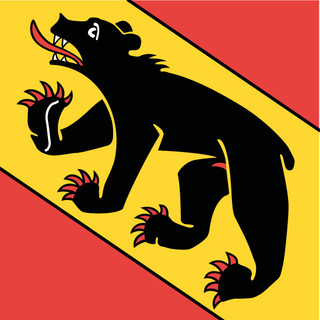 Bern
Bern
 Fribourg
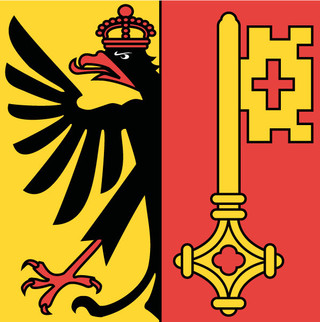 Geneva
 Glarus
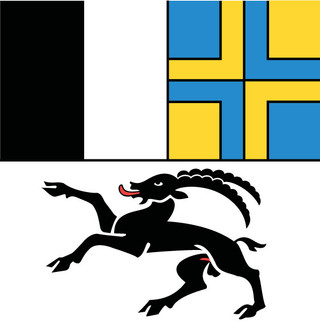 Grisons
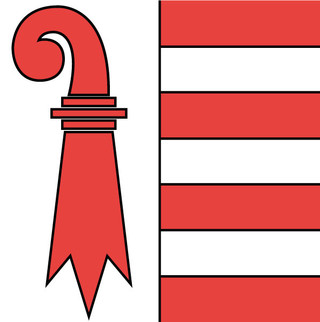 Jura
Jura
 Lucerne
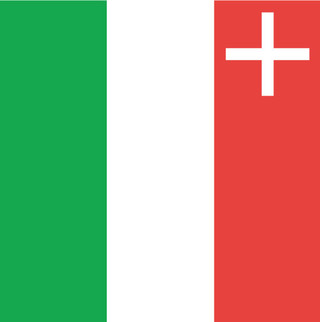 Neuchâtel
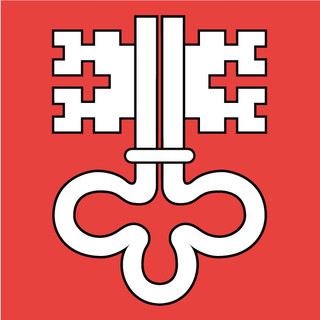 Nidwalden
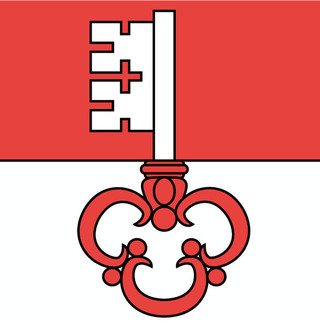 Obwalden
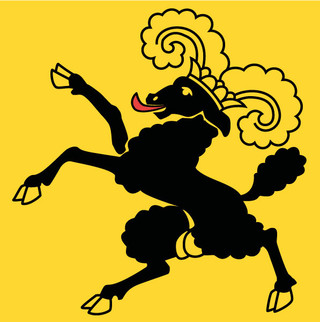 Schaffhausen
 Schwyz
 Solothurn
 St. Gallen
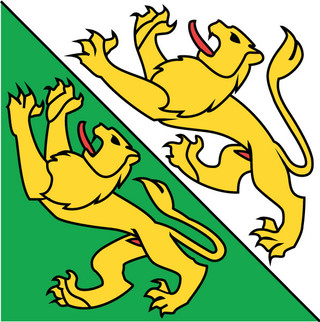 Thurgau
 Ticino
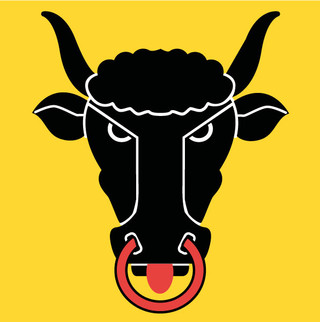 Uri
Uri
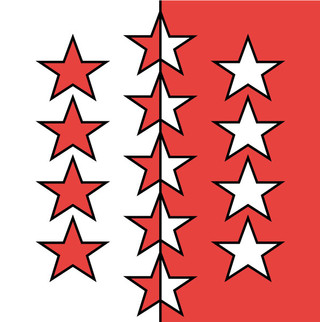 Valais
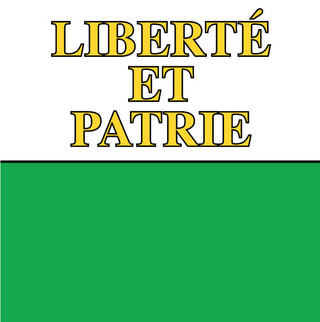 Vaud
Vaud
 Zug
Zug
 Zurich