OMNES: Affordable Climate-Positive Fashion & Circular Design
The mission of OMNES Europe Limited, established in 2021, is to democratize sustainable fashion. Founded in the United Kingdom, the brand represents an ambitious attempt to synthesize high-volume commercial viability with a rigorous sustainability framework. Operating in the mid-market segment, OMNES challenges the industry norm that ethical clothing must be prohibitively expensive. Their core philosophy revolves around decoupling growth from environmental degradation, proving that accessibility and accountability can coexist. The brand positions itself not just as a retailer, but as a reformer, aiming to make "Climate Positive" fashion the standard rather than the exception.
Evolution, Efforts and Certifications
Since its inception, OMNES has aggressively pursued third-party validation to substantiate its claims. The brand is a certified B Corporation, achieving an impressive score of 101.7, which is substantially higher than the median score of 6.0 for peer businesses in the "Air & Climate" category. This certification serves as a primary empirical proxy for their governance and operational integrity. Furthermore, their printing partners hold OEKO-TEX Standard 100 and GOTS (Global Organic Textile Standard) certifications, ensuring chemical safety. OMNES is also an accredited Living Wage Employer in the UK, distinguishing its direct employment practices from the volatile norms of the gig economy.
Traceability and Supply Chain Visibility
Transparency is a cornerstone of the OMNES governance model. The brand provides visibility into its primary producers, with manufacturing hubs located in Turkey, India, Greece, and the UK. While they do not yet publish a fully downloadable, real-time list of every Tier 2 facility, they are ahead of many mid-market competitors by disclosing Tier 1 locations. Forensic evidence indicates that more than half of their final production stage is audited under the Sedex Members Ethical Trade Audit (SMETA) Best Practice Guidance. These audits cover labor standards, health and safety, and business ethics, providing a layer of assurance regarding factory conditions, although deep-tier visibility remains a work in progress.
Sustainability Impact
OMNES markets itself as "Climate Positive," a claim supported by its partnership with Earthly. The brand offsets 125% of its operational carbon footprint (Scope 1 and 2), funding nature-based solutions such as the REDD+ Brazil Nut Concession in Peru and the Rimba Raya Biodiversity Project in Indonesia. However, the brand acknowledges the massive challenge of Scope 3 emissions, raw materials and manufacturing, which make up 99% of the industry's footprint. While they align with the 1.5°C pathway goals, they have not yet formally validated Science Based Targets (SBTi) or published year-over-year absolute reduction numbers for the supply chain, which is the next critical frontier for their carbon strategy.
Circularity Impact
OMNES distinguishes itself through a robust circular business model designed to combat the "take-make-waste" culture. They have partnered with "The Seam," a specialist platform offering care, repair, and reworking services to extend garment life. Additionally, the brand operates the "Second Life Programme," an in-house take-back scheme where customers return pre-loved items for a discount. These items are either donated to the charity Smart Works or responsibly recycled. Crucially, OMNES employs "design for disassembly" principles, prioritizing mono-materials (like 100% cotton or Tencel) over blends to facilitate easier recycling at the product's end-of-life.
Planet Impact
The environmental strategy at OMNES focuses heavily on water stewardship and chemical management. A key technological intervention is the use of digital printing, which significantly reduces water consumption and eliminates toxic chemical baths associated with traditional screen printing. Their packaging is entirely free of virgin plastic, utilizing FSC-certified recycled card and product labels woven from recycled ocean plastic (PET bottles). While their B Corp water score suggests room for improvement in closed-loop systems at the mill level, their strict wastewater policies ensure no polluted discharge enters the ecosystem.
People Impact
The "People" pillar shows a dichotomy between direct operations and the global supply chain. OMNES is an accredited Living Wage Employer for all UK staff. In the supply chain, their Partnership Policy mandates respect for Freedom of Association and encourages living wages. However, independent assessments note a lack of public evidence that workers in the deep supply chain (Tier 2 and beyond) actually receive a living wage. While SMETA audits provide safety assurances, the economic gap for garment workers remains a systemic issue that the brand has yet to fully resolve with empirical data.
Animal Impact
OMNES maintains a strict animal welfare policy. They have banned high-impact materials including fur, leather, silk, down, feathers, and exotic skins. Wool is the primary animal fiber used, chosen for longevity, but it must meet strict criteria: it is either Recycled Wool or certified by the Responsible Wool Standard (RWS) to ensure sheep are mulesing-free. This approach makes the brand a strong choice for ethical consumers, although it is not strictly vegan due to the presence of wool.
Areas for Improvement
Despite high performance, forensic analysis highlights specific gaps. First, the disclosure of Scope 3 emissions needs to evolve from qualitative assessments to quantitative, time-bound reduction reporting. Second, transparency regarding the payment of living wages in manufacturing countries like Turkey and India is currently lacking; moving from "encouraging" suppliers to providing proof of payment would solidify their ethical standing. Finally, publishing a full, downloadable supplier list including Tier 2 mills would set a new standard for transparency.
Conclusion
OMNES Europe Limited is not a product of greenwashing; it is a brand demonstrating genuine, data-backed commitment to sustainable fashion. With a B Corp score of 101.7, the use of documented low-impact fibers like Lenzing™ ECOVERO™, and innovative circularity programs, OMNES offers a credible, affordable alternative to fast fashion. While challenges remain in deep-tier supply chain wages and Scope 3 data, their trajectory suggests a sincere intent to reform the fashion system from within.

 Deutsch
 Français
 Italiano

 Aargau
 Appenzell Ausserrhoden
 Appenzell Innerrhoden
 Basel-Land
 Basel-Stadt
 Bern
Bern
 Fribourg
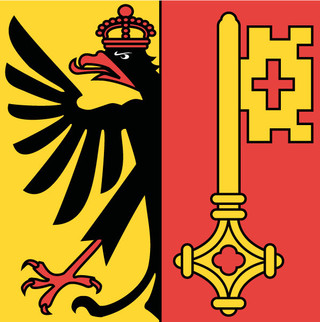 Geneva
 Glarus
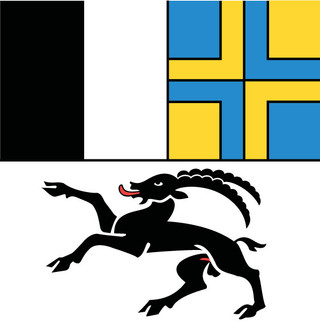 Grisons
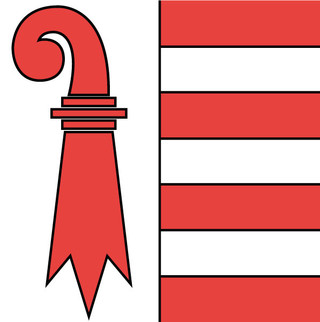 Jura
Jura
 Lucerne
 Neuchâtel
 Nidwalden
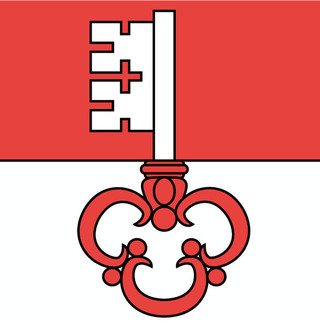 Obwalden
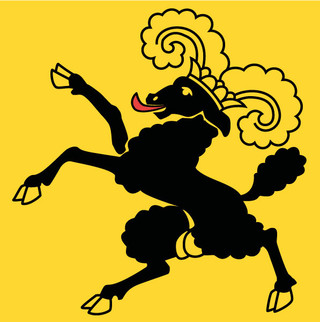 Schaffhausen
 Schwyz
 Solothurn
 St. Gallen
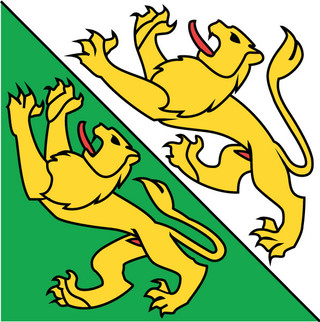 Thurgau
 Ticino
 Uri
Uri
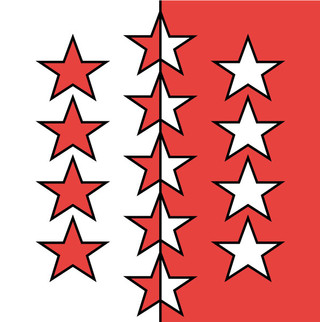 Valais
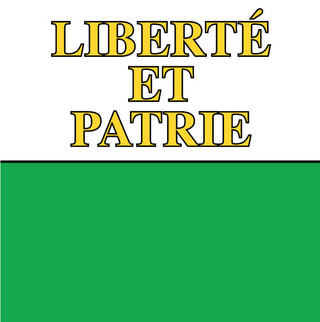 Vaud
Vaud
 Zug
Zug
 Zurich